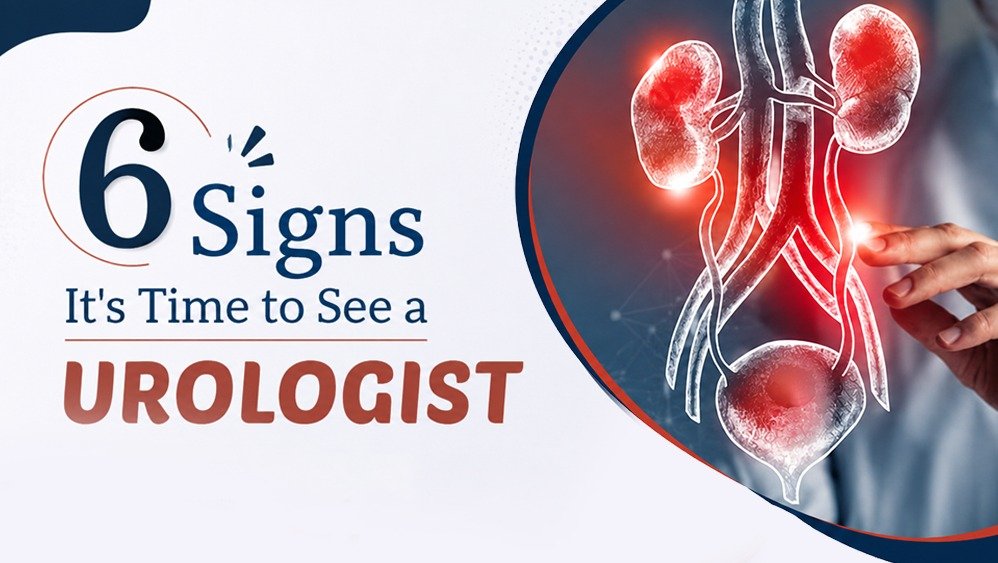
People tend to underestimate the importance of urinary symptoms which include reproductive health problems. The medical condition requires evaluation because people who experience painful or bloody urination, kidney stone pain and struggle with urination need to receive medical assessment for potential underlying conditions.
A urologist is a medical doctor who studies an area that treats kidney problems, diseases of the urinary tract, or reproductive diseases in men. People who understand the warning signs of medical conditions should know when to visit a urologist.
In this blog, we’ll discuss 6 important signs that indicate it may be time to visit a urologist or bladder specialist.
Frequent or Painful Urination
An urge to urinate often or painful urination is a standard symptom reported in urology. An urge to urinate frequently during the day and at night or the presence of a burning sensation during urination is a valid symptom and should be medically investigated.
Some patients report urinary incontinence which can be most distressing as it affects the quality of life severely by disrupting normal and restful activities and sleep.
Painful urination is due to infection, irritation, or inflammation in the urinary tract. Untreated issues in the urinary tract can escalate to serious kidney disease. The disease causes distress and serious consequences which can be prevented by early medical care and attention.
Blood in Urine
You should not see blood in urine. If you do, you should be referred to a urologist. Blood in urine can be obvious and discolor urine, or it can be detected with tests.
Blood in urine can be caused by a few things, including:
- Kidney stones
- UTIs
- Enlarged prostates
- Bladder infections
- Kidney and bladder diseases
Blood in urine shouldn't be ignored, even if it appears only once and you experience no pain. There can be serious illnesses associated with this, and it should be diagnosed quickly.
A urologist can do a few tests to figure out why this is happening and to help you with a treatment plan to avoid complications.
Confused about your symptoms? Get FREE expert advice on WhatsApp now.
Kidney Stone Symptoms
Formation of kidney stones happens to be a very common problem among urinary disorders. Small stones could go away on their own, while big ones would block the urine passage and cause unbearable pain.
Among the symptoms of kidney stones, there are:
- Pain in the back or the sides
- Pain that goes down into the lower abdomen or groin
- Painful urination
- Blood in the urine
- Nausea
- Frequent desire to go to the bathroom
In most cases, pain due to kidney stones occurs suddenly and becomes excruciating, thus not allowing people to carry on their usual business. In some instances, kidney stones could even lead to infections and enlargement of the kidneys.
Kidney stones are one of the most common reasons people visit a urologist, and early treatment can help prevent severe pain and further complications.
Difficulty Urinating or Weak Urine Flow
Having difficulty urinating is yet another symptom that cannot be overlooked. There are cases when men experience a weak stream of urine, need to strain when urinating and have a sense of incompleteness even after voiding their bladders.
This symptom is frequently associated with an enlarged prostate gland. With its size increasing, the organ can put pressure on the urethra and thus slow down urine outflow.
However, there are other reasons why such problems occur – for example, blockages in the urinary tract, problems with the bladder, or its narrowing.
It is necessary to know when you have to consult a urologist since proper diagnosis and treatment are crucial.
Get expert advice for kidney stone, prostate & urology problems — FREE
Recurrent Urinary Tract Infections
While occasional urinary tract infections may resolve with the use of medications, recurrent UTIs should not be overlooked. They might mean that there is something wrong with your urinary tract.
The following symptoms can occur with UTIs:
- Painful urination
- Fever or chills
- Abnormal color or odor in the urine
- Discomfort in the pelvic area
- Urinating frequently
Recurrent UTIs can result from kidney stones, residual urine in the bladder, urinary obstruction, or bladder issues. Male recurrent UTIs are rarer and need further investigation.
It may lead to kidney damage when you ignore repeated UTIs. You can seek the opinion of a urologist for further diagnosis and management.
Sexual or Reproductive Health Problems
Many men hesitate to talk about sexual or reproductive health issues, but these problems are more common than most people think and can often be treated with the right medical care. Urologists help diagnose and manage conditions that can affect a man’s confidence, relationships, and overall well-being.
Some common concerns include:
- Difficulty getting or maintaining an erection
- Pain or swelling in the testicles
- Fertility problems
- Pain during ejaculation
- Reduced sexual desire or confidence
These issues can happen due to hormonal imbalance, poor blood flow, infections, stress, or other underlying health conditions. Consulting a urologist early can help identify the cause and improve both reproductive and overall health.
Only Limited Free Consultation Slots Available Today.
When Should You See a Urologist Immediately?
Although some urinary complaints may develop gradually, certain warning signs require immediate medical attention. It is important to consult a urologist if you experience:
- Severe back, abdominal, or testicular pain
- Difficulty or inability to pass urine
- Blood in the urine
- Fever along with urinary symptoms
- Continuous vomiting with kidney stone pain
Recognizing these warning signs early is important for protecting your urinary and kidney health. If you are facing any of these symptoms, consulting an experienced urologist like Dr. Ankit Gupta can help you receive timely diagnosis and the right treatment.
Conclusion
Urology symptoms and reproductive health issues must never be overlooked, particularly if these symptoms become recurring and painful. These signs could point to a problem requiring the attention of a medical expert.
It is essential to have knowledge about the common symptoms of urology and early indications of referral to urologists in order to avoid developing complications. The urologist has a vital responsibility in assessing problems related to the kidneys, bladder, male reproductive organs, and other parts of the body.