Robotic Cystectomy in Gurgaon

Robotic cystectomy surgery in Gurgaon is an advanced medical procedure that doctors use for the removal of the urinary bladder, which is usually used for the treatment of cancer and severe bladder problems. Dr. Gupta uses advanced technology for the treatment of bladder problems through robotic bladder surgery.

Dr. Ankit Gupta – Best Robotic Bladder Cancer Surgeon in Gurgaon

Dr. Ankit Gupta a highly skilled surgeon and urologist who manages patients suffering from bladder cancer as well as other complicated urology issues using the most advanced robotic surgical techniques. He carefully examines each patient and then designs the surgery in accordance with what is the extent of illness. He will remove cancer in a manner that is comfortable for the patient and free of any pain. By using robot surgery, it becomes more straightforward for patients to comprehend with the proper guidance prior to and following the procedure. Thus, a lot of patients have confidence in the doctor. Gupta for his expertise in robotic surgery to treat bladder cancer in Gurgaon.

  • Experienced robotic urology surgeon
  • Specialist in bladder cancer surgery
  • Advanced robotic technology
  • Safe and precise operation
  • Faster recovery methods
  • Modern operating theatre
  • Trusted urologist in Gurgaon

Book Your First Consultation

What is Robotic Cystectomy

What is Robotic Cystectomy?

The robotic-assisted cystectomy is a brand new kind of surgery in which the bladder of the urinary tract is removed. The surgeon makes tiny incisions and utilizes a robot to assist with the procedure. This type of procedure is performed for treating bladder cancer as well as serious damage to the bladder. This kind of procedure will cause less pain and quicker recovery because of the tiny incision.


What is Bladder Cancer?

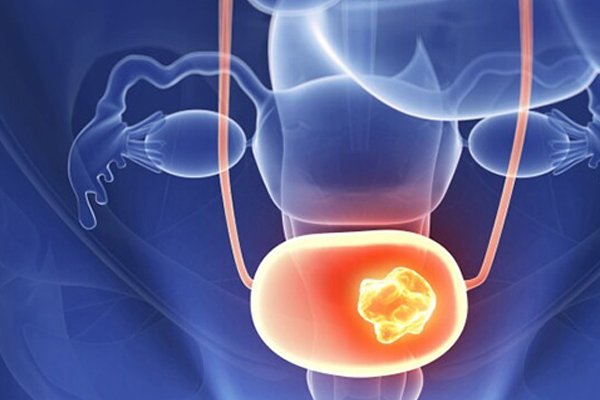
Bladder cancer is a condition that causes abnormal growth of cells in the bladder and forms an abnormality that is later diagnosed as a tumor. It can also be seen by the presence of blood in urine and pain when urinating, and frequent urine leaks. In the most severe instances, surgery is required to remove the bladder to stop the spread of the cancer.

Bladder Cancer
Who Needs Robotic Cystectomy

Who Needs Robotic Cystectomy?

  • Bladder cancer
  • Large bladder tumor
  • Cancer not controlled by medicine
  • Recurrent bladder cancer
  • Severe bladder damage
  • Bleeding from a bladder tumor
  • Non-functioning bladder

Conditions Treated with Robotic Cystectomy

  • Bladder cancer
  • Recurrent tumors
  • Severe bladder disease
  • Non-working bladder
  • Large bladder mass
  • Cancer is spreading in the bladder
  • Chronic bladder problems
Conditions Treated with Robotic Cystectomy
Types of Cystectomy

Types of Cystectomy

Cystectomy refers to the removal of either the bladder in its entirety or a portion in accordance with the nature and stage of cancer.

  • Radical Cystectomy
    In this procedure, the entire bladder is removed. Sometimes, additional tissue or lymph nodes are also removed for the complete eradication of the disease.
  • Partial Cystectomy
    In this procedure, only the diseased part of the bladder is removed, while the normal part of the bladder is left intact.

Robotic Cystectomy Procedure – Step by Step

  • Patient given anesthesia
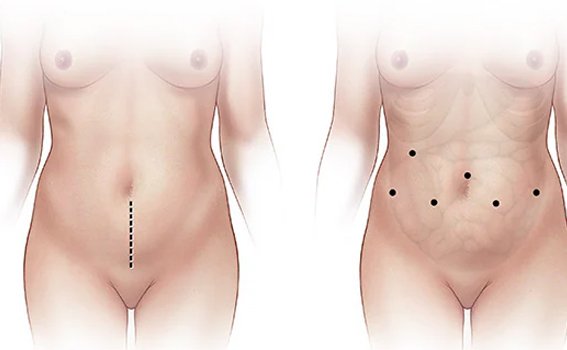
  • Small cuts were made on the abdomen
  • Robotic instruments inserted
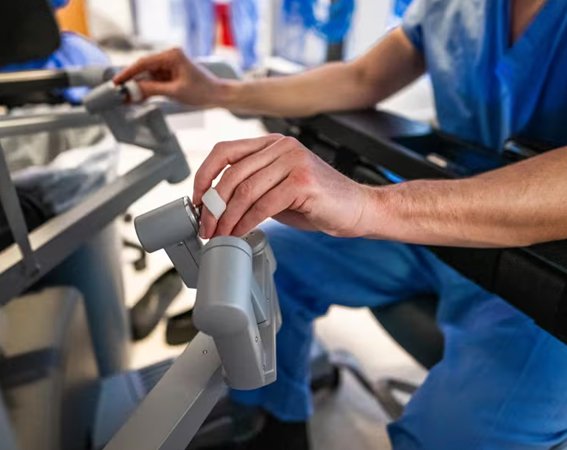
  • Surgeon controls robotic arms
  • Bladder removed safely
  • Urine passage reconstruction done
  • Cuts were closed with stitches
Robotic Cystectomy Procedure Steps
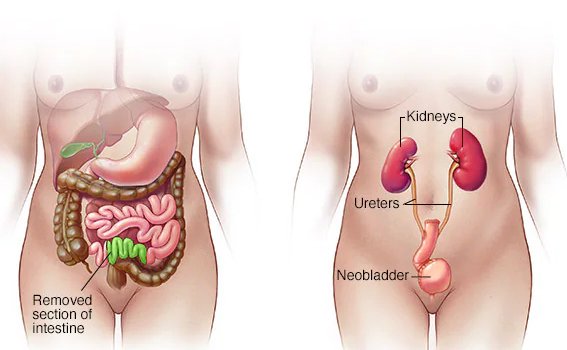
Urinary Diversion After Cystectomy

Urinary Diversion After Cystectomy

After the removal of the bladder, a new method was developed to enable urine to be able to leave the body.

  • Ileal Conduit
    A small portion of the intestine serves to create a pathway to the bladder, and urine flows out of a tiny opening inside the abdomen and into bags.
  • Neobladder Reconstruction
    The bladder of a new patient is constructed by intestines so that the patient is able to move urine more naturally.
  • Continent Urinary Reservoir
    A pouch is created within the body to store urine. Then, it is filled by a tiny tube as it is needed.

Benefits of Robotic Cystectomy

As robotic cystectomy makes small incisions, pain and bleeding are minimal, as opposed to the case in open surgery. With the robotic system, control and accuracy are enhanced, which makes cancer removal safe. Recovery is fast, and the hospital stay is short, with minimal chances of infection. The patient also feels comfortable after the procedure.

Benefits of Robotic Cystectomy

Robotic Cystectomy vs Open Cystectomy

Feature Robotic Surgery Open Surgery
Cuts Small Large
Pain Less More
Recovery Fast Slow
Blood loss Less More
Hospital stay Short Long

Recovery After Robotic Cystectomy

  • Hospital stay for a few days
  • Mild pain for some time
  • Walking after 1–2 days
  • Liquid diet first
  • Avoid heavy work
  • Regular follow-up needed
  • Recovery in a few weeks
Recovery After Robotic Cystectomy
Risks and Complications of Robotic Cystectomy

Risks & Complications of Robotic Cystectomy

  • Bleeding
  • Infection
  • Urine leakage
  • Pain after surgery
  • Injury to nearby organs
  • Need for longer stay (rare)
  • Anesthesia reaction

Life After Bladder Removal Surgery

After the removal of their bladders, patients can lead an ordinary life, with the right treatment. A new method for the flow of urine has been developed in the course of the procedure. Over time, patients learn how to manage the issue easily. Regular visits to the doctor, a healthy diet, and the advice of a doctor aid in long-term recovery.

Life After Bladder Removal Surgery

Why Choose Dr. Ankit Gupta for Robotic Cystectomy in Gurgaon?

Dr. Ankit Gupta has a wealth of expertise in the field of surgical procedures for urology using robotics and modern technology to combat bladder cancer. He develops precise surgical plans that are presented to the patient prior to the procedure beginning. The modern robotics that he works with allows him to carry out surgeries with accuracy and security. The goal is to ensure complete removal of tumors, resulting in less discomfort for patients and faster healing. The surgical team offers complete patient support throughout the procedure to ensure the most comfortable experience. Patients choose his services for the robotic cystectomy procedure in Gurgaon because of his knowledge and relationships with patients, which establish their confidence.

  • Experienced robotic surgeon
  • Specialist in bladder cancer
  • Modern robotic technology
  • Safe surgery methods
  • Good patient care
  • High success rate
  • Trusted doctor in Gurgaon

Book Your First Consultation

FAQs – Robotic Cystectomy

The procedure of robotic cystectomy, which involves the bladder of the urinary tract, is performed using a robotic technique. The doctor cuts small areas and utilizes robotic instruments to achieve more precise results. This procedure is generally performed to treat bladder cancer or serious bladder diseases and aids in faster recovery when compared to open surgery.

Bladder removal surgery is carried out when there is a bladder cancer, a massive tumor, or severe damage to the bladder that is not treatable by medications. Removal of the bladder prevents the spread of disease and helps protect the body. The doctor makes this decision following a thorough analysis and a report.

Yes, a robotic cystectomy is recommended as safe when performed by a qualified surgeon. The robotic technology permits precise movements, which decreases the chance of complications. Because the cuts are tiny and the pain is minimal, recovery can be faster. The majority of patients recover by taking care of their wounds properly following surgery.

The typical time for robotic cystectomy is three to five hours, according to the patient's condition and stage of illness. It can vary depending on whether it is necessary to reconstruct the urinary tract. Following surgery, the patient is under observation. Recovery begins slowly in the following days.

Most patients are admitted for a time between 5 and seven days in the hospital following the procedure. The duration of stay is determined by the rate of recovery, the situation, and the type of procedure carried out. Due to the minimal cut made during surgery, the healing process can be quicker than an open surgical procedure.

The surgeon constructs the new urinary tract following the procedure to remove the bladder. The procedure makes use of materials from the intestinal tract to create a bladder that is replaced or an artificial urinary pathway. Patients learn to manage this issue and, eventually, their lives resume normal routines.

A neobladder is a bladder that is made of a tiny portion of the intestine following the original bladder. The system allows patients to urinate in a manner that is similar to normal human functions. Medical conditions of every patient determine if they need a Neobladder. The doctor determines the most effective option based on the individual's medical condition.

Robotic cystectomy is superior to open surgeries as it creates tiny cuts, which results in less pain and faster healing. There is less blood loss, and the hospital stay is reduced. Robotic systems also provide greater control for surgeons in order to ensure a successful and safe surgical procedure.

Robotic cystectomy has an extremely high rate of success when carried out by a trained surgeon. The robotic procedure assists in the precise removal of cancer and cuts down on complications. The effectiveness of treatment also depends on the level at which cancer is developing, and also the general condition of the patient. However, the results are likely to be excellent.

Yes, this procedure, known as robotic cystectomy, has become accessible in Gurgaon, equipped with the most modern technology and equipment. Doctor. Ankit Gupta, a surgeon, can perform robotic bladder surgery using the most advanced and safe techniques. Many patients prefer robotic surgery because it causes less pain, has a quicker recovery, and provides positive results.
Book Appointment