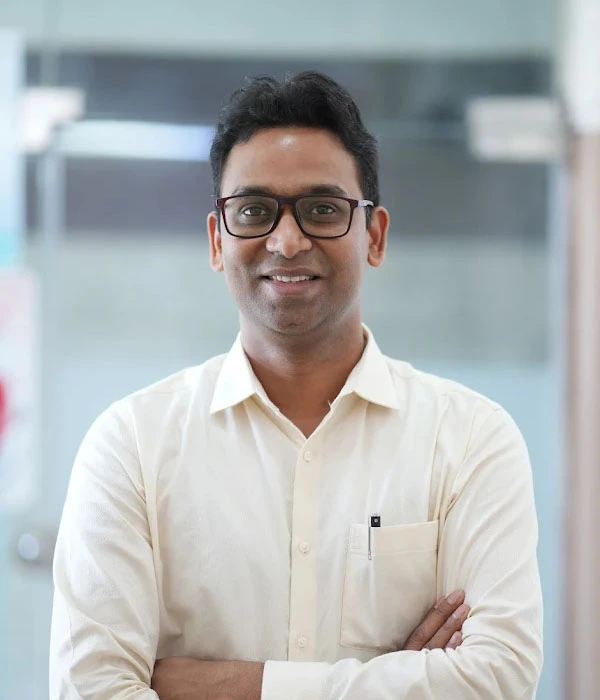
Senior Consultant Urologist & Laser Surgeon

Kidney Stone Treatment in DLF Phase 4, Gurgaon

Kidney Stone Treatment in DLF Phase 4, Gurgaon focuses on relieving symptoms, clearing stones safely, and protecting kidney function. The appropriate approach depends on stone size, location, number, composition, symptoms, urinary blockage, and overall health.

Dr. Ankit Gupta provides medical management and minimally invasive procedures, including RIRS, laser URSL, PCNL, Mini PCNL, and Micro PCNL, after detailed evaluation and imaging.

14+ Yrs Experience
10,000+ Surgeries
Holmium Laser Tech
AIIMS Specialized

Kidney Stone Treatment Options

The treatment depends on the stone's size, location, complexity, symptoms, and likelihood of passing naturally.

Medicines & Observation

Small stones may pass naturally. Medicines can help manage pain and, in selected cases, support stone passage. Follow-up is recommended to confirm that the stone has cleared.

RIRS

RIRS uses a flexible scope passed through the urinary tract to reach the kidney. A laser breaks the stone into smaller fragments, which are then removed or allowed to pass naturally.

Laser URSL

Laser URSL treats suitable ureteral stones using a thin ureteroscope. The stone is reached through the urinary tract and fragmented with a laser before the pieces are removed or passed naturally.

PCNL

PCNL is generally used for larger or complex kidney stones. A small tract is created through the skin into the kidney, allowing instruments to fragment and remove the stone.

Mini PCNL

Mini PCNL uses a smaller access tract than conventional PCNL. It can be considered for selected kidney stones, with treatment choice depending on stone size, location, and complexity.

Micro PCNL

Micro PCNL uses a very small access tract and miniature instruments to treat selected kidney stones. It may be considered when a minimally invasive percutaneous approach is appropriate.

How Is the Right Kidney Stone Treatment Selected?

A lot depends on some other factors in addition to the size of stones. Dr. Ankit Gupta takes into account all of them before prescribing any type of treatment or observation.

  • Size and location of stones: Smaller stones might come out naturally, but bigger or hard-to-reach stones will require medical treatment.
  • Symptoms and obstruction: Pain, infection, obstruction, or inability of urine to flow freely can be determining factors for urgent treatment.
  • Complexity of stones: Stones that are multiple, big, or complex will require either a PCNL procedure or some other procedure to clear them completely.
  • Kidney state and medical history: Information about kidney function, risk of infection, pregnancy, and anaesthesia are important to choose the correct treatment method.
  • Individual factors: Expected removal of stones, risks, recovery, and possibility of staged procedure are carefully considered before deciding about the treatment method.

When Do Kidney Stones Need Treatment?

There are some situations that may prompt the need for immediate treatment in order to avoid further complications and pain.

  • Pain: The pain associated with stones should be considered a signal requiring treatment if it persists even after taking the proper care.
  • Obstruction: Blockage of urine flow by stones may damage the function of the kidneys and may need urgent attention.
  • Infection: This is an indicator that the condition has gotten worse and needs immediate care as well as drainage and appropriate treatment.
  • Failure to pass: Failure of the stone to move out of its position can lead to active treatment.
  • Other kidney or lifestyle factors: Stones that cause bleeding, recurring problems, poor kidney function or disrupt daily lifestyle may be indications for treatment.
Dr. Ankit Gupta

Why Choose Our Kidney Stone Treatment Near DLF Phase 4, Gurgaon

Our clinic offers advanced treatment for kidney stones using the latest laser and minimally invasive technology. Dr. Ankit Gupta has successfully treated thousands of patients suffering from kidney stones with excellent clinical outcomes.

We carefully evaluate every patient before recommending treatment. Depending on the size and location of the stone, treatment may include medications, laser surgery, RIRS, URSL, PCNL, or Mini PCNL.

Our goal is to provide effective stone removal with less pain, minimal hospital stay, faster recovery, and lower chances of recurrence through proper follow-up and preventive guidance.

Kidney Stone Treatment Procedure

The exact procedure varies depending on the selected treatment. In general, kidney stone treatment follows a structured process from evaluation through follow-up.

  • Evaluation: The urologist reviews symptoms, medical history, urine tests, blood tests, and imaging to assess the stone's size, location, and complexity.
  • Treatment planning: RIRS, laser URSL, PCNL, Mini PCNL, Micro PCNL, or observation is selected according to individual findings.
  • Procedure: Depending on the technique, the stone is reached through the urinary passage or a small access tract and fragmented or removed.
  • Stone clearance: Fragments may be removed directly or allowed to pass naturally when appropriate. A temporary stent may sometimes be placed.
  • Follow-up: Recovery, imaging, urine results, and preventive measures are reviewed to confirm clearance and reduce recurrence risk.

Recovery After Kidney Stone Treatment

The recovery will be contingent on the method employed, complexity of stones, and the patient’s health condition. Adhering to the guidelines provided by the urologist will aid in recovery and enable detection of possible problems.

  • Length of hospital stay: Several minimally invasive surgical procedures require a brief period of stay in the hospital, depending on the procedure, complexity of the stone, and recovery.
  • Possible symptoms after surgery: Temporary mild pain, frequent urination, or presence of blood in the urine can be experienced following the endoscopic operation and should improve during healing.
  • Physical activity: Patients are expected to rest first and then resume normal activities under the guidance of their urologist.
  • Fluids, medicines: Proper hydration, medication, and adherence to follow-up recommendations will aid in the process of recovery. The quantity of fluid consumption is contingent on health condition.
  • Follow-up: Follow-up appointments and tests may be recommended.

Our Videos

Watch expert insights and clinical explanations from Dr. Ankit Gupta

What Our Patients Say

★★★★★

Rated 5 out of 5 stars from 120+ Reviews

S
Snehlata Singh
★★★★★

Dr. Ankit Gupta is an exceptional urologist who performed my left-sided laparoscopic donor nephrectomy with great skill and precision. Surgery was smooth and recovery was quick. Highly recommended for kidney transplant and urological care.

A
Awanish Singh
★★★★★

My father underwent HOLEP surgery for enlarged prostate under Dr. Ankit Gupta at Narayana Health Hospital. The surgery was successful and recovery was smooth. Highly satisfied.

V
Vyas Chander
★★★★★

I had severe urinary problems before treatment. Dr. Ankit Gupta explained everything clearly and performed TURP surgery smoothly. Now I feel completely relieved.

P
Piyush Kumar
★★★★★

Dr Ankit Gupta operated my uncle for kidney stone using laser surgery. Everything went perfectly and he was discharged the next day. Best urologist in Gurgaon.

P
Prashant Kumar
★★★★★

My mother had severe urinary issues. Dr. Ankit Gupta diagnosed accurately and explained everything clearly. Surgery was successful and recovery smooth.

S
Shifa Parwez
★★★★★

Dr Ankit Gupta treated my father for kidney stone. He explained everything patiently and surgery went well. Very helpful and professional doctor.

P
Paresh Shrivastava
★★★★★

I was treated for kidney stone. Dr Gupta explained everything clearly and responded quickly to all queries. Very knowledgeable doctor.

K
Khurshid Alam
★★★★★

My mother underwent RIRS surgery for kidney stone under Dr. Ankit Gupta. Everything was explained clearly and surgery was successful.

D
Dinesh Kumar
★★★★★

Dr Ankit Gupta operated my uncle for ureter stone. Everything went smoothly. Highly recommended urologist.

R
Renu Bala
★★★★★

Exceptional experience from start to finish. Doctor explained everything patiently and ensured comfort throughout treatment.

N
Nitin Srivastav
★★★★★

My uncle had RIRS surgery. Dr Ankit Gupta’s expertise and caring nature helped in smooth recovery without complications.

Frequently Asked Questions

Get answers to the most common queries regarding diagnosis, procedures, and recovery.

Dr. Ankit Gupta provides advanced kidney stone diagnosis and treatment for patients in DLF Phase 4, Gurgaon using modern laser and minimally invasive procedures. 

The best treatment depends on the size, location, and type of kidney stone. Small stones may pass with medication, while larger stones may require laser procedures such as RIRS, URSL, PCNL, or Mini PCNL. 

Yes. Laser kidney stone surgery is a safe, minimally invasive procedure that offers high success rates, less pain, minimal bleeding, and faster recovery for most patients. 

Common symptoms include severe pain in the back or side, blood in the urine, burning while passing urine, frequent urination, nausea, vomiting, and pain that radiates toward the groin. 

Yes. Kidney stones can recur if preventive measures are not followed. Drinking enough water, maintaining a healthy diet, and regular follow-up with a urologist can help reduce the risk of recurrence. 

Nearby Serving Locations & Areas

Explore specialized care across our service network

Get Expert Kidney Stone Treatment Today

Schedule your consultation with Dr. Ankit Gupta for personalized, laser-assisted urology care.

Book Your Appointment Now
Book Free Appointment Free Consultation
Free Consultation Call Now