Kidney Stone Treatment in New Palam Vihar, Gurgaon focuses on relieving symptoms, clearing stones safely, and protecting kidney function. The appropriate approach depends on stone size, location, number, composition, symptoms, urinary blockage, and overall health.
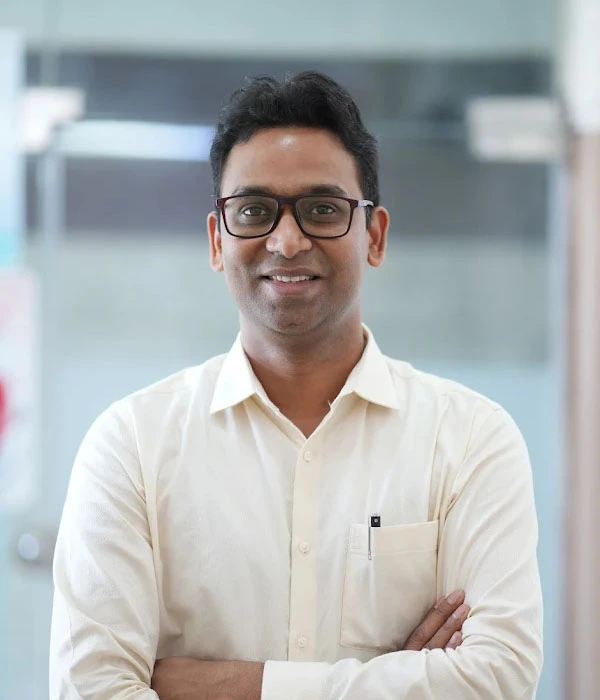
Dr. Ankit Gupta provides medical management and minimally invasive procedures, including RIRS, laser URSL, PCNL, Mini PCNL, and Micro PCNL, after detailed evaluation and imaging.
The treatment depends on the stone's size, location, complexity, symptoms, and likelihood of passing naturally.
Small stones may pass naturally. Medicines can help manage pain and, in selected cases, support stone passage. Follow-up is recommended to confirm that the stone has cleared.
RIRS uses a flexible scope passed through the urinary tract to reach the kidney. A laser breaks the stone into smaller fragments, which are then removed or allowed to pass naturally.
Laser URSL treats suitable ureteral stones using a thin ureteroscope. The stone is reached through the urinary tract and fragmented with a laser before the pieces are removed or passed naturally.
PCNL is generally used for larger or complex kidney stones. A small tract is created through the skin into the kidney, allowing instruments to fragment and remove the stone.
Mini PCNL uses a smaller access tract than conventional PCNL. It can be considered for selected kidney stones, with treatment choice depending on stone size, location, and complexity.
Micro PCNL uses a very small access tract and miniature instruments to treat selected kidney stones. It may be considered when a minimally invasive percutaneous approach is appropriate.
A lot depends on some other factors in addition to the size of stones. Dr. Ankit Gupta takes into account all of them before prescribing any type of treatment or observation.
There are some situations that may prompt the need for immediate treatment in order to avoid further complications and pain.
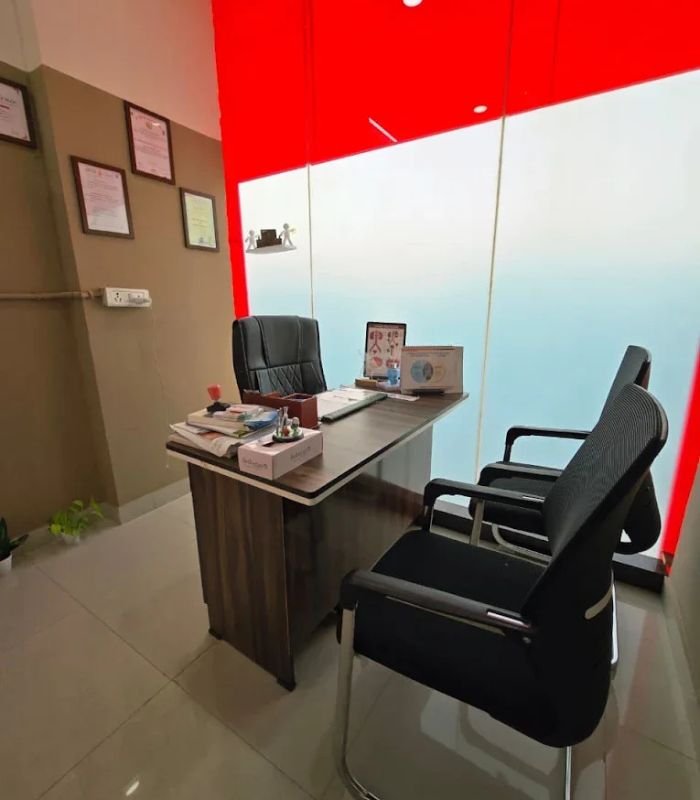
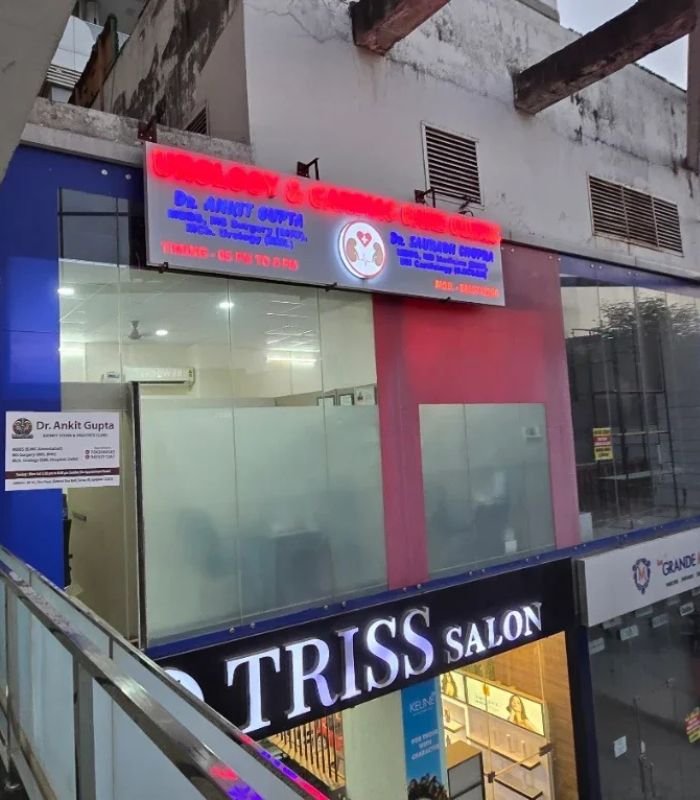
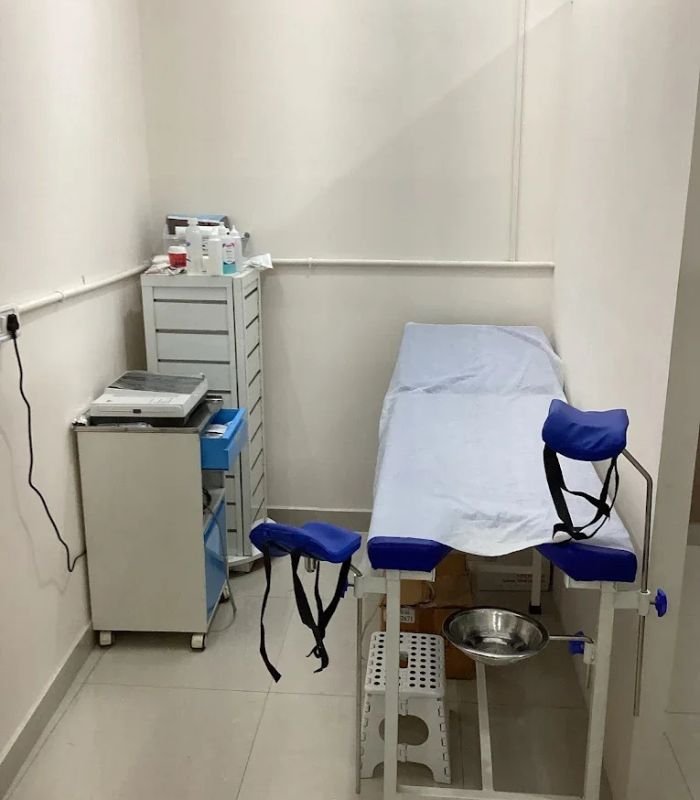
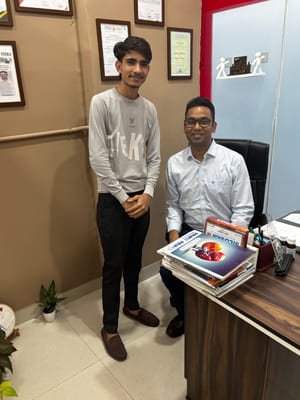
Our clinic is designed to provide a comfortable, sterile, and reassuring environment for patients seeking advanced urology treatments. From consultation suites to modern surgical facilities, every space ensures patient safety, privacy, and international quality medical care.
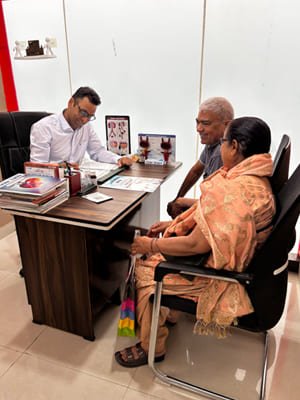
We follow a patient-first approach where every stage of treatment—from initial diagnosis to laser surgery and post-op recovery—is handled with utmost compassion, transparency, and clinical precision.
Our clinic offers advanced treatment for kidney stones using the latest laser and minimally invasive technology. Dr. Ankit Gupta has extensive experience in performing RIRS, URSL, PCNL, Mini PCNL, and other advanced endourological procedures for kidney stone removal.
We carefully evaluate every patient before recommending treatment. Depending on the size and location of the stone, treatment may include medications, laser surgery, RIRS, URSL, PCNL, or Mini PCNL.
Our goal is to provide effective stone removal with less pain, minimal hospital stay, faster recovery, and lower chances of recurrence through proper follow-up and preventive guidance.
The exact procedure varies depending on the selected treatment. In general, kidney stone treatment follows a structured process from evaluation through follow-up.
The recovery will be contingent on the method employed, complexity of stones, and the patient’s health condition. Adhering to the guidelines provided by the urologist will aid in recovery and enable detection of possible problems.
Get answers to the most common queries regarding diagnosis, procedures, and recovery.
Dr. Ankit Gupta provides advanced kidney stone diagnosis and treatment for patients in New Palam Vihar, Gurgaon using modern laser and minimally invasive procedures.
For larger kidney stones, procedures such as PCNL or Mini PCNL are often recommended, while RIRS or URSL may be suitable for smaller stones. The ideal treatment depends on the stone's size, location, and your overall health.
Laser kidney stone surgery is performed under anesthesia and is minimally invasive. Most patients experience significantly less pain than with traditional open surgery and recover much faster.
You should seek immediate medical attention if you experience severe back or side pain, fever with urinary symptoms, blood in the urine, persistent vomiting, or difficulty passing urine, as these may indicate a serious urinary obstruction or infection.
Drinking 2.5–3 litres of water daily, reducing salt intake, maintaining a balanced diet, and following your urologist's advice regarding metabolic evaluation and regular follow-up can significantly reduce the risk of future kidney stones.
Explore specialized care across our service network
Schedule your consultation with Dr. Ankit Gupta for personalized, laser-assisted urology care.
Book Your Appointment Now