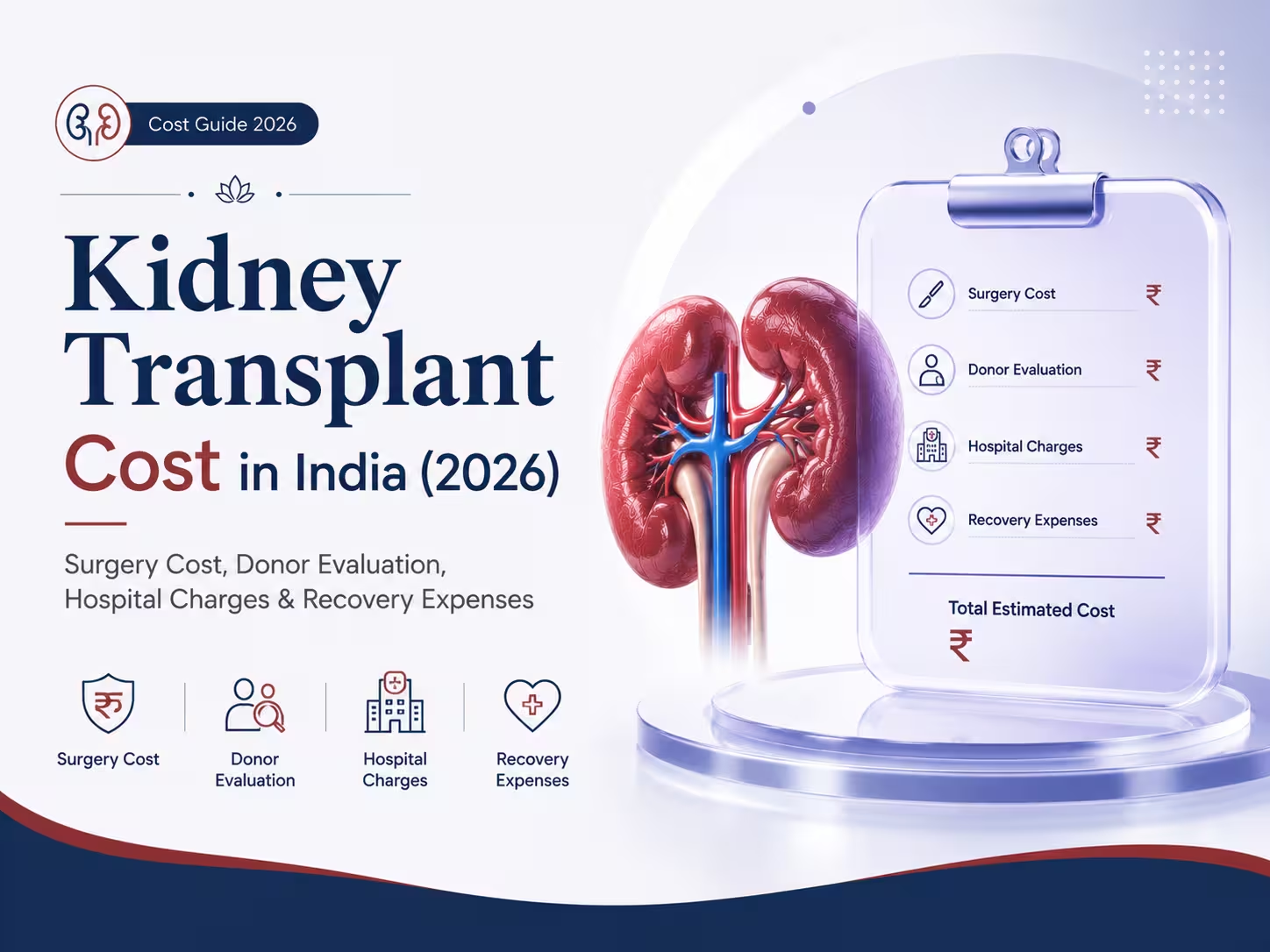
A kidney transplant is often the most effective long-term treatment for patients suffering from End Stage Kidney Disease (ESKD) or permanent kidney failure. Compared to long-term dialysis, a successful kidney transplant can improve quality of life, increase life expectancy, and help patients return to their daily activities.
One of the most common concerns for patients and families is understanding the overall kidney transplant cost in India. The total expense can vary depending on several factors, including the hospital, city, surgeon's expertise, donor evaluation requirements, medical condition of the patient, and post-transplant medications.
India is considered one of the leading destinations for kidney transplantation due to experienced transplant specialists, advanced medical facilities, and comparatively affordable treatment costs. Understanding the complete cost breakdown can help patients plan their treatment journey more effectively.
What is a Kidney Transplant?
A kidney transplant is a surgical procedure in which a healthy donor kidney is transplanted into a patient whose kidneys can no longer function adequately. The procedure is commonly recommended for patients with End Stage Renal Disease (ESRD), advanced chronic kidney disease, or permanent kidney failure. Kidney transplantation is often preferred over long-term dialysis for eligible patients because it may provide better long-term outcomes and quality of life.
Kidney Transplant Cost in India
The cost of a kidney transplant in India varies depending on the hospital, city, medical complexity, donor evaluation, and post-operative care.
| Treatment Component | Estimated Cost Range |
|---|---|
| Recipient Evaluation | ₹30,000 – ₹1,00,000 |
| Donor Evaluation | ₹50,000 – ₹1,50,000 |
| Kidney Transplant Surgery | ₹5,00,000 – ₹12,00,000 |
| Hospital Stay | ₹1,00,000 – ₹3,00,000 |
| ICU Charges | ₹50,000 – ₹2,00,000 |
| Medications | ₹20,000 – ₹1,00,000+ |
| Follow-Up Care | Variable |
Average Kidney Transplant Cost in India
Most private hospitals typically charge between ₹6 lakh and ₹15 lakh for a kidney transplant, depending on the complexity of the case and facilities provided. Government hospitals may offer transplantation at significantly lower costs in selected cases. Reports from public hospitals have shown transplant costs ranging from approximately ₹1 lakh to ₹8 lakh, while private facilities may charge substantially more.
Confused about your symptoms? Get FREE expert advice on WhatsApp now.
Factors Affecting Kidney Transplant Cost
Several factors influence the total cost of kidney transplant surgery.
Hospital and Location
Kidney transplant costs may vary between metropolitan cities and smaller cities due to infrastructure, technology, and hospital facilities.
Donor Evaluation
The donor undergoes extensive medical testing, which contributes to the overall treatment cost.
Recipient Health Condition
Patients with additional medical conditions may require more investigations and specialized care.
ICU and Hospital Stay
Longer hospitalization and ICU requirements can increase treatment expenses.
Post-Transplant Medications
Immunosuppressive medications are essential after transplantation and represent an ongoing cost.
Cost of Donor Evaluation
Before transplantation, living donors undergo detailed medical screening.
Common tests include:
-
Blood Group Matching
-
HLA Typing
-
Tissue Matching
-
Kidney Function Tests
-
Imaging Studies
-
Infection Screening
The donor evaluation process is important to ensure donor safety and transplant success.
Get expert advice for kidney stone, prostate & urology problems — FREE
Cost of Kidney Transplant Surgery
The surgical cost generally includes:
-
Surgeon fees
-
Operation theatre charges
-
Anesthesia charges
-
Surgical consumables
-
Hospital admission
-
ICU monitoring
-
Initial medications
The exact cost depends on the complexity of the procedure and the hospital's transplant program.
Cost of Medicines After Kidney Transplant
After transplantation, patients require immunosuppressive medications to prevent rejection of the transplanted kidney.
Monthly medication expenses may vary depending on:
-
Type of medication
-
Dosage requirements
-
Patient's medical condition
-
Duration after transplant
These medications are usually required for life and should be considered when planning long-term treatment expenses.
Only Limited Free Consultation Slots Available Today.
Is Kidney Transplant Covered by Insurance?
Many health insurance policies provide coverage for kidney transplant surgery and hospitalization expenses, subject to policy terms and waiting periods.
Coverage may include:
-
Hospitalization charges
-
Surgical expenses
-
ICU charges
-
Pre-transplant investigations
-
Post-operative hospitalization
Patients should verify coverage details directly with their insurance provider before treatment.
Government health schemes may also provide financial support in selected cases. Some state-supported programs and public institutions subsidize transplant costs for eligible patients.
Why is a Kidney Transplant Better Than Long-Term Dialysis?
For many eligible patients, kidney transplantation offers several advantages over long-term dialysis.
Benefits may include:
-
Better quality of life
-
Improved energy levels
-
Greater independence
-
Fewer dietary restrictions
-
Better long-term survival
-
Reduced dependence on dialysis
Treatment suitability should always be determined after comprehensive medical evaluation.
Confused about your symptoms? Get FREE expert advice on WhatsApp now.
Recovery After Kidney Transplant
Recovery varies from patient to patient.
Patients can generally expect:
-
Several days of hospital stay
-
Regular follow-up appointments
-
Monitoring of kidney function
-
Lifelong immunosuppressive medications
-
Gradual return to daily activities
Successful recovery depends on medication compliance, follow-up care, and healthy lifestyle habits.
How to Prepare Financially for a Kidney Transplant?
Patients and families should consider:
-
Hospital costs
-
Donor evaluation expenses
-
Travel and accommodation expenses
-
Medication costs
-
Follow-up care expenses
-
Insurance coverage options
Proper financial planning can help reduce treatment-related stress and improve access to care.
Get expert advice for kidney stone, prostate & urology problems — FREE
When Should You Consult a Kidney Transplant Specialist?
You should consult a transplant specialist if you:
-
Have End Stage Kidney Disease
-
Are currently undergoing dialysis
-
Have Stage 5 Chronic Kidney Disease
-
Have worsening kidney function
-
Need transplant eligibility evaluation
-
Want information about donor options
Early consultation can help patients understand treatment options and plan for transplantation.
Conclusion
Kidney transplantation remains one of the most effective treatments for permanent kidney failure and End Stage Kidney Disease. While the kidney transplant cost in India varies based on several factors, the procedure remains significantly more affordable compared to many other countries. Understanding the complete cost breakdown, donor evaluation process, medication requirements, and insurance options can help patients make informed decisions and plan their treatment journey effectively.
Only Limited Free Consultation Slots Available Today.
Related Urology Treatments & Services
Patients considering kidney transplantation may also benefit from:
Why Choose Dr. Ankit Gupta for Kidney Transplant Care?
Dr. Ankit Gupta is an experienced Urologist in Gurgaon with expertise in kidney transplantation, donor evaluation, advanced urological surgery, and long-term transplant care. His patient-centered approach focuses on comprehensive assessment, personalized treatment planning, and ongoing post-transplant support.
Confused about your symptoms? Get FREE expert advice on WhatsApp now.
Related Articles
Frequently Asked Questions (FAQs)
What is the average kidney transplant cost in India?
The average cost of a kidney transplant in India generally ranges from ₹6 lakh to ₹15 lakh in private hospitals, depending on the hospital, city, and complexity of the case.
Is kidney transplant cheaper in India than other countries?
Yes. India is often considered a cost-effective destination for kidney transplantation while maintaining access to advanced medical facilities and experienced transplant specialists.
Does health insurance cover kidney transplant surgery?
Many insurance plans cover kidney transplant surgery and hospitalization expenses, subject to policy conditions and waiting periods.
What is included in kidney transplant costs?
Costs may include donor evaluation, recipient evaluation, surgery, hospitalization, ICU care, medications, and follow-up treatment.
Are there additional costs after kidney transplant?
Yes. Patients typically require lifelong immunosuppressive medications and regular follow-up appointments.
Can government hospitals perform kidney transplants at lower cost?
Yes. Certain government hospitals and government-supported schemes may offer kidney transplantation at significantly reduced costs for eligible patients.
Is a kidney transplant better than long-term dialysis?
For many eligible patients, kidney transplantation may offer better quality of life and improved long-term outcomes compared to long-term dialysis.
How can I reduce the financial burden of kidney transplant treatment?
Patients can explore health insurance coverage, government healthcare schemes, financial assistance programs, and transplant centers that offer subsidized treatment options.