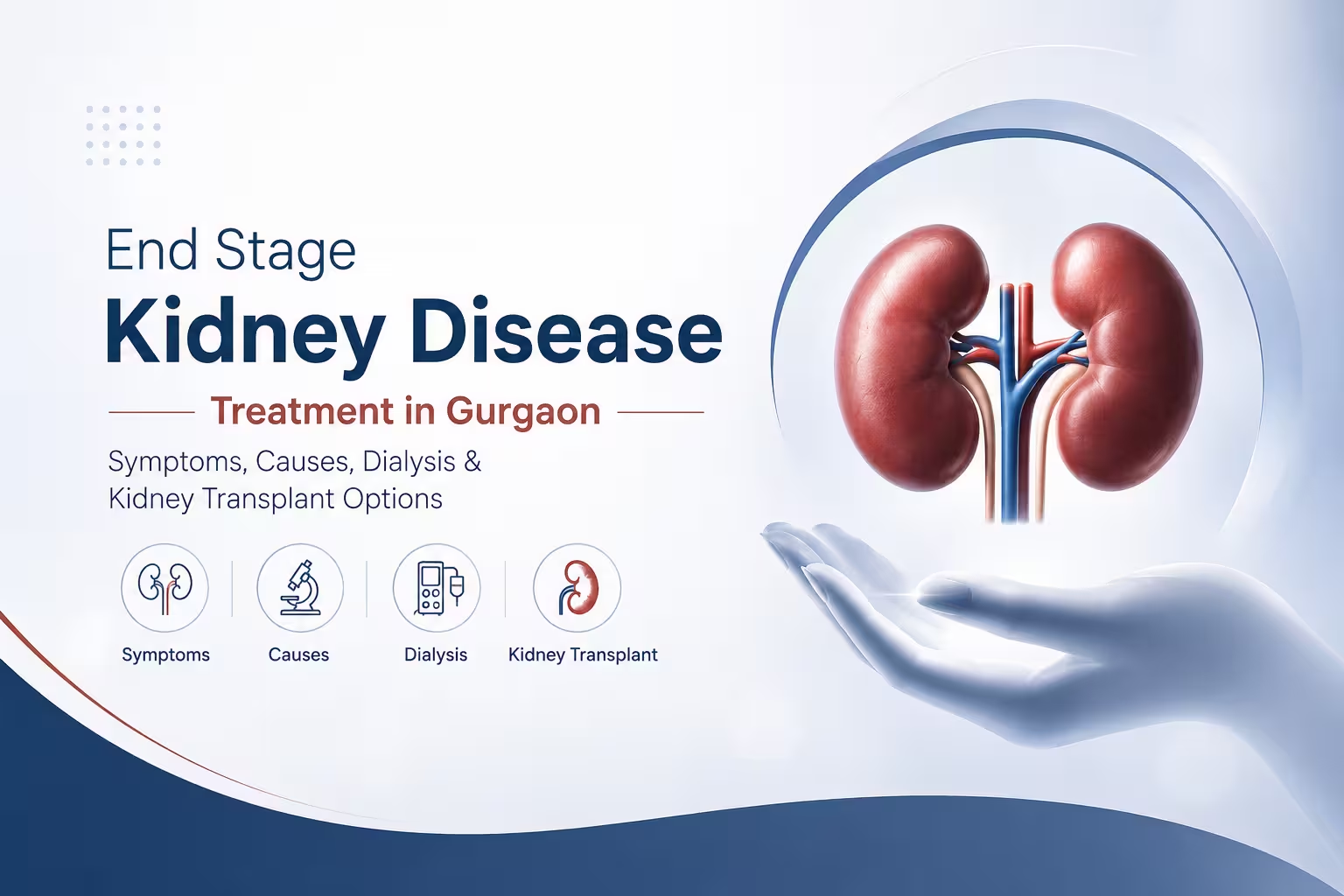
End Stage Kidney Disease (ESKD), also known as End Stage Renal Disease (ESRD), is the most advanced stage of chronic kidney disease where the kidneys lose nearly all their ability to filter waste products, excess fluid, and toxins from the blood. When kidney function falls below 15%, patients often require dialysis or a kidney transplant to survive and maintain their quality of life.
The number of people affected by kidney disease is increasing due to conditions such as diabetes, high blood pressure, obesity, and recurrent kidney infections. Early diagnosis and appropriate treatment can help prevent complications and improve long-term outcomes.
If you are looking for End Stage Kidney Disease treatment in Gurgaon, understanding the symptoms, causes, treatment options, and recovery process can help you make informed healthcare decisions.
What is End Stage Kidney Disease?
End Stage Kidney Disease is the final stage of chronic kidney disease (CKD). Healthy kidneys help remove waste products, regulate blood pressure, maintain electrolyte balance, and support overall body functions.
In End Stage Kidney Disease, the kidneys can no longer perform these essential functions effectively, leading to the buildup of toxins and fluid within the body. Without medical treatment, the condition can become life-threatening.
Patients with ESKD typically have a Glomerular Filtration Rate (GFR) below 15 mL/min, indicating severely reduced kidney function.
Symptoms of End Stage Kidney Disease
The symptoms of End Stage Kidney Disease may develop gradually and often become more noticeable as kidney function declines.
Common symptoms include:
-
Persistent fatigue and weakness
-
Swelling in the legs, feet, ankles, or face
-
Shortness of breath
-
Nausea and vomiting
-
Loss of appetite
-
Difficulty concentrating
-
Frequent muscle cramps
-
Persistent itching
-
Changes in urination frequency
-
High blood pressure
-
Sleep disturbances
-
Unexplained weight loss
Some patients may not experience significant symptoms until kidney damage becomes severe, making regular health checkups important for individuals at risk.
Confused about your symptoms? Get FREE expert advice on WhatsApp now.
What Causes End Stage Kidney Disease?
Several medical conditions can gradually damage the kidneys over time.
Diabetes
Diabetes is one of the leading causes of kidney failure. Elevated blood sugar levels can damage the kidney's filtering units, resulting in progressive loss of function.
High Blood Pressure
Uncontrolled hypertension can damage blood vessels within the kidneys, reducing their ability to function properly.
Chronic Glomerulonephritis
Inflammation of the kidney's filtering structures can gradually lead to permanent kidney damage.
Polycystic Kidney Disease
This inherited condition causes multiple cysts to develop within the kidneys, affecting their function over time.
Recurrent Kidney Infections
Repeated kidney infections can cause scarring and long-term damage to kidney tissues.
Urinary Tract Obstruction
Conditions such as kidney stones, enlarged prostate, ureteric strictures, or urinary blockages can contribute to chronic kidney damage if left untreated.
Risk Factors for End Stage Kidney Disease
The risk of developing advanced kidney disease is higher in individuals with:
-
Diabetes
-
High blood pressure
-
Obesity
-
Smoking habits
-
Family history of kidney disease
-
Heart disease
-
Recurrent urinary tract infections
-
Chronic kidney stone disease
-
Older age
Managing these risk factors can help slow disease progression and protect kidney function.
Get expert advice for kidney stone, prostate & urology problems — FREE
How is End Stage Kidney Disease Diagnosed?
Accurate diagnosis helps determine the severity of kidney damage and guide treatment decisions.
Blood Tests
Doctors may recommend:
-
Serum Creatinine
-
Blood Urea Nitrogen (BUN)
-
Electrolyte Profile
-
Estimated GFR
Urine Tests
Urine analysis can detect:
-
Protein leakage
-
Blood in urine
-
Signs of infection
Imaging Studies
Imaging tests may include:
-
Kidney Ultrasound
-
CT Scan
-
MRI Scan
These tests help evaluate kidney size, structure, and potential urinary obstruction.
Kidney Biopsy
In certain cases, a kidney biopsy may be required to identify the underlying cause of kidney disease.
Treatment Options for End Stage Kidney Disease in Gurgaon
Treatment depends on the severity of kidney failure, overall health, and the patient's individual needs.
Medical Management
Although medications cannot reverse severe kidney damage, they help manage symptoms and complications.
Treatment may include:
-
Blood pressure control
-
Diabetes management
-
Anemia treatment
-
Electrolyte correction
-
Fluid balance management
Dialysis
Dialysis helps remove waste products and excess fluids when the kidneys can no longer perform these functions effectively.
Hemodialysis
Blood is filtered through a dialysis machine to remove toxins and excess fluid.
Peritoneal Dialysis
A special fluid is introduced into the abdominal cavity to absorb waste products, which are then drained from the body.
Dialysis can significantly improve symptoms and quality of life for patients with kidney failure.
Kidney Transplant
A kidney transplant is often considered the most effective long-term treatment for eligible patients with End Stage Kidney Disease.
During the procedure, a healthy kidney from a living or deceased donor is transplanted into the patient.
Benefits of kidney transplantation may include:
-
Improved quality of life
-
Better long-term survival
-
Greater independence from dialysis
-
Improved energy levels
-
Fewer dietary restrictions
Patients undergoing transplantation require detailed medical evaluation and long-term follow-up care.
Only Limited Free Consultation Slots Available Today.
When is a Kidney Transplant Recommended?
A kidney transplant may be recommended when:
-
Kidney function falls below 15%
-
Dialysis becomes necessary
-
The patient is medically fit for surgery
-
A suitable donor is available
-
Long-term transplantation benefits outweigh potential risks
A comprehensive transplant evaluation helps determine eligibility.
Recovery After End Stage Kidney Disease Treatment
Recovery depends on the treatment received and the patient's overall health.
Patients are generally advised to:
-
Attend regular follow-up appointments
-
Take medications as prescribed
-
Follow dietary recommendations
-
Monitor blood pressure and blood sugar levels
-
Stay physically active within medical limits
-
Avoid smoking and alcohol misuse
Patients who undergo kidney transplantation also require lifelong immunosuppressive medications.
Confused about your symptoms? Get FREE expert advice on WhatsApp now.
Lifestyle Changes to Support Kidney Health
Lifestyle modifications can help improve overall health and reduce complications.
Recommended measures include:
-
Following a kidney-friendly diet
-
Limiting salt intake
-
Managing diabetes effectively
-
Controlling blood pressure
-
Maintaining a healthy weight
-
Drinking fluids as advised by your doctor
-
Avoiding unnecessary painkillers and nephrotoxic medications
Possible Complications if End Stage Kidney Disease is Left Untreated
Without treatment, End Stage Kidney Disease can lead to serious health complications such as:
-
Fluid overload
-
Severe electrolyte imbalance
-
Heart disease
-
Stroke
-
Bone disorders
-
Anemia
-
Permanent kidney failure
-
Life-threatening complications
Early treatment is crucial to prevent these outcomes.
Get expert advice for kidney stone, prostate & urology problems — FREE
When Should You Consult a Urologist?
You should seek medical attention if you experience:
-
Persistent swelling
-
Reduced urine output
-
Recurrent kidney infections
-
Uncontrolled blood pressure
-
Blood in urine
-
Severe fatigue
-
Symptoms of chronic kidney disease
Timely diagnosis can improve treatment outcomes and help preserve remaining kidney function.
Conclusion
End Stage Kidney Disease is a serious medical condition that requires prompt diagnosis and comprehensive treatment. While advanced kidney damage cannot usually be reversed, treatment options such as dialysis and kidney transplantation can help patients live longer and maintain a better quality of life. Early medical intervention, regular monitoring, and healthy lifestyle choices remain essential components of successful kidney disease management.
Only Limited Free Consultation Slots Available Today.
Related Urology Treatments & Services
Patients diagnosed with advanced kidney disease may also benefit from evaluation and treatment for related urological conditions, including:
Why Choose Dr. Ankit Gupta for End Stage Kidney Disease Treatment in Gurgaon?
Dr. Ankit Gupta is an experienced Urologist in Gurgaon with expertise in managing complex kidney disorders, kidney transplantation, urinary tract diseases, and minimally invasive urological procedures. His patient-focused approach, advanced treatment techniques, and comprehensive care help patients receive personalized treatment plans tailored to their individual needs.
Confused about your symptoms? Get FREE expert advice on WhatsApp now.
Related Articles
Frequently Asked Questions (FAQs)
What is End Stage Kidney Disease?
End Stage Kidney Disease is the final stage of chronic kidney disease where kidney function becomes severely reduced and dialysis or kidney transplantation may be required.
Can End Stage Kidney Disease be cured?
The kidney damage is usually permanent. However, dialysis and kidney transplantation can help manage the condition effectively.
What is the best treatment for End Stage Kidney Disease?
Treatment depends on individual circumstances, but common options include dialysis and kidney transplantation.
Is dialysis the only treatment for kidney failure?
No. Kidney transplantation may be a suitable option for eligible patients and often provides better long-term outcomes.
How long can a person live with End Stage Kidney Disease?
Life expectancy varies based on age, overall health, treatment choice, and adherence to medical care.
Can diabetes cause End Stage Kidney Disease?
Yes. Diabetes is one of the most common causes of chronic kidney disease and kidney failure worldwide.
When should dialysis be started?
Dialysis is generally recommended when kidney function becomes severely impaired and symptoms of kidney failure begin affecting daily life.
Is kidney transplantation better than dialysis?
For many eligible patients, kidney transplantation may offer improved quality of life and better long-term survival compared to long-term dialysis.